Making Money Pay: Cash Transfers in Kenya

Think Africa Press

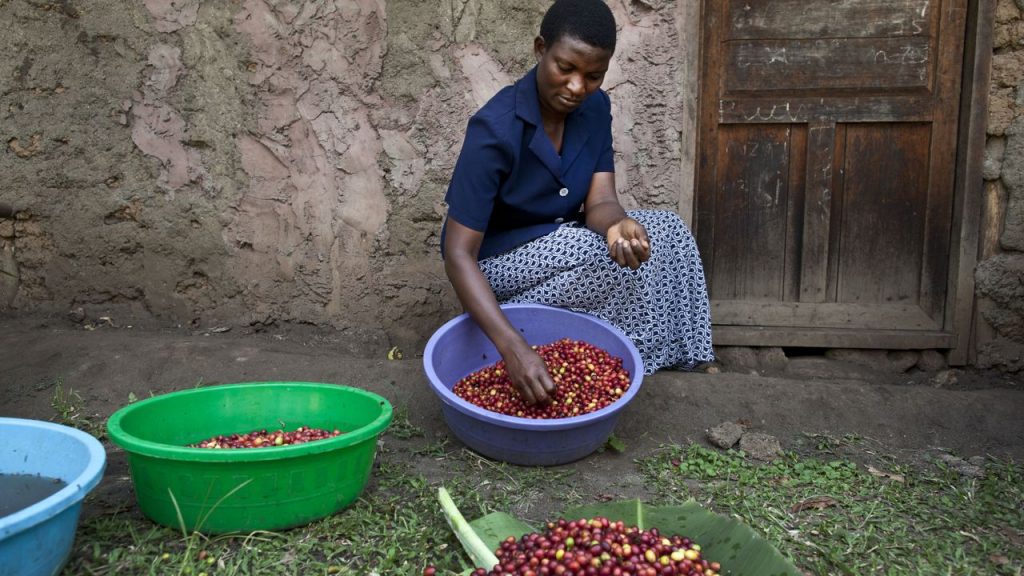
Cash transfer as part of a programme in Kenya. Photograph by Colin Crowley.

Instead of handing over billions of dollars to bureaucrats to devise ways to help the world’s poor − and make aid vulnerable to ‘leakage’ in the process − why not just send one-time disbursements of cash directly to recipients so that they could lift themselves out of poverty?

Last month, I travelled to western Kenya to interview some of the recipients of cash transfers in those communities. (My research was funded by GiveWell, a non-profit organisation that vets the work of international charities).

“People used the money in different ways, to pay their children’s school fees, to buy a motorbike, to build a new house like you see my neighbour has done here,” one recipient explained. “I think everybody has used it well according to their own needs.”
louis vuitton belts mens
This is precisely what makes cash transfers different, and superior, to traditional forms of aid, proponents say. In an article for the Cato Institute Journal, former Lead Economist in the World Bank’s research group, Branko Milanovic, wrote: “By delivering aid in cash, we do not tell poor people what they should do…and how they should spend their money. We just allow them to decide, without paternalism, on their own. And we improve, ever slightly, their condition.”

Read the full article at Think Africa Press.
China’s Second Continent

OZY.com

Sia Kambou/AFP/Corbis

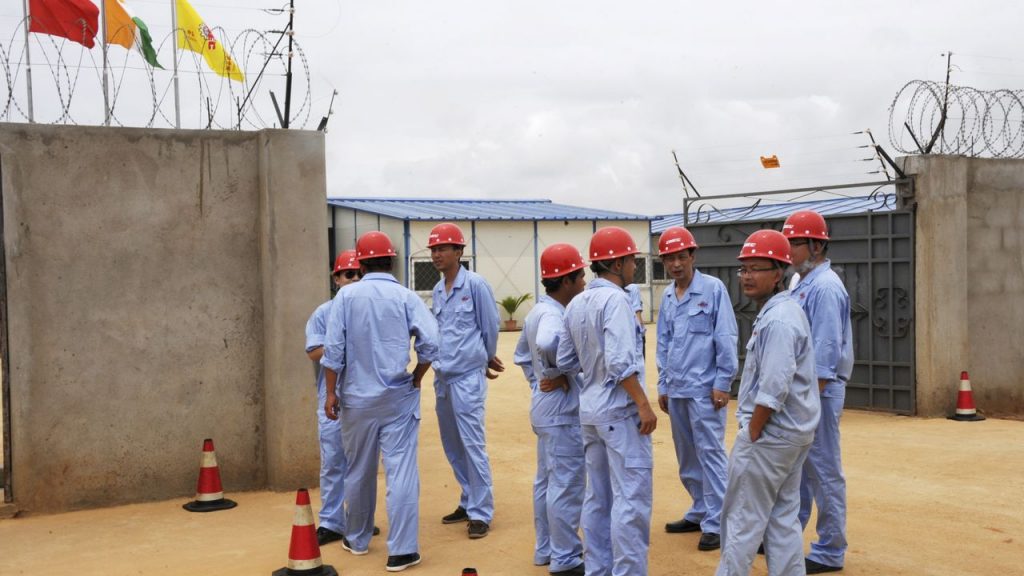
The million Chinese who’ve landed in Africa are plucky, hugely ambitious and have an eye for opportunity. They’re also helping make China a big player on a continent once dominated by the West. 

You’ve seen the headlines: China is taking over Africa, and the United States and Africa’s former colonizers in Europe have lost sway.

Mostly, it’s true. Throughout Angola, Ghana and the Congo, some of China’s largest companies are building roads and railways. They’re backed by Chinese banks, and they’ll pay off their loans in kind through mining and oil deals. All the while, small-scale Chinese entrepreneurs are moving to Africa, opening pharmacies, trading furniture or buying land to farm, much as earlier generations did in Southeast Asia and North America. African governments are welcoming them with open arms, and for the most part, so are Africans themselves.

Earlier literature on China’s rise in Africa pushed us past the easy — and flawed — paradigm of China as Africa’s latest ”colonizer.” But in his forthcoming book, China’s Second Continent, Howard French argues the Chinese who migrate to Africa do so as individuals motivated by simple, familiar dreams of opportunity.
nike free cross trainer
A former China bureau chief for The New York Times and veteran Africa correspondent, French traveled the African continent, speaking Mandarin with Chinese men and women who had grown weary of the daily grind in their homeland. The characters French encounters are risk-takers: sometimes foulmouthed, often lucky and universally ambitious.

Read the full Q&A: Howard French on ‘China’s Second Continent’ | C-Notes | OZY

Turkey’s Rise in Africa

OZY.com

JONATHAN TORGOVNIK/GETTY

China isn’t the only one raising its stake on the African continent

African leaders are happy to look beyond Western aid and investments that come tied to pesky political conditions, like asking for free elections or letting the opposition out of jail. As a result, China, India and other Asian firms willing to look the other way are making major inroads across the continent.
cheap coach purses outlet
Now, Turkey is joining the crowd and forging a route into Africa, setting its sights on Uganda, an East African nation with untapped reserves of oil and minerals. It could be the start of a beautiful friendship.

Read more: Turkey’s Rise in Africa | Fast forward | OZY

Africa Isn’t Rising.

OZY.com

Roberto Schmidt/Getty

By the books, it’s rising. Africa had six of the world’s 10 fastest-growing economies in the 2000s. Minerals, metals and oil are nourishing long-starved government coffers. In January, Kenya’s Revenue Authority said it had collected too much money in taxes over the previous six months — 24 percent more than during the same period the year before.

But don’t go telling your friends Africa is no longer poor. The raw numbers are misleading, and “much of Africa’s celebrated growth is vulnerable,” according to the first Africa Transformation Report, published last month by the African Council on Economic Transformation (ACET). According to ACET, African economies have failed to transform in ways that would ensure long-term gains.
buy cheap louis vuitton handbags
In that argument, ACET joins a burgeoning subfield of economists trying to explain the discrepancy between fast economic growth and slow human progress in some African countries. Their ranks include Dani Rodrik and other development economists, but ACET’s report may be the most prominent. They hope their ideas change how we think about national success.

Read the full story at OZY.com

Kenya redefines marriage in a blow to women’s rights

GlobalPost/GroundTruth

A push by Kenya’s president and male-dominated parliament to overhaul marriage bodes ill for the nation’s wives, socially and economically

NAIROBI, Kenya – President Uhuru Kenyatta signed a new marriage law this week that drastically restricts the rights of women in wedlock.

Human rights advocates here and abroad are condemning the law, which grants men the right to marry a second, third or even fourth wife without the previous wives’ permission. Currently, certain traditions allow men to take multiple wives, but only if he first gains their approval. There is no law that allows women to take multiple husbands.

“Parliament has discovered it has this ability to formulate laws that serve its interest,” said Tom Odhiambo, professor of cultural studies at the University of Nairobi. “Because many (members of parliament) are married to women whose social status and education level is below theirs, they can always go home and say “the Constitution allows me to marry a second wife.”
nike free 50 women
After parliament passed the regulation, Kenyans waited for nearly one month to see whether President Kenyatta — who stands accused before the International Criminal Court of committing crimes against humanity during Kenya’s violent 2007-2008 Presidential election — would risk further soiling his human rights image by signing it into law. Christian and Hindu leaders joined human rights advocates in calling on Kenyatta to veto the Act, saying polygamy violates their religious edicts.

Read the full article at GlobalPost.

Turkey comes to East Africa

The Financial Times - This is Africa

Turkey, which already straddles both Europe and Asia, is now making inroads into a third continent: Africa. East Africa is poised to become the new frontier market for Turkish construction, textiles and hospitality firms as they position themselves to become major stakeholders in the region’s rapidly growing industries.

Meanwhile, the Turkish government is forging ties with its African counterparts to negotiate tax agreements, regional security cooperation and foreign aid packages.
coach china
“The total value of projects undertaken by Turkish contractors in African countries exceeded $47bn dollars” in 2011, according to the most recent available figures from Turkey’s Ministry of Economy. At the same time, Turkey’s exports to Africa reached $13.3bn that year – a fivefold increase since 2003.

Read the full article as it appeared at The Financial Times‘ This is Africa publication.

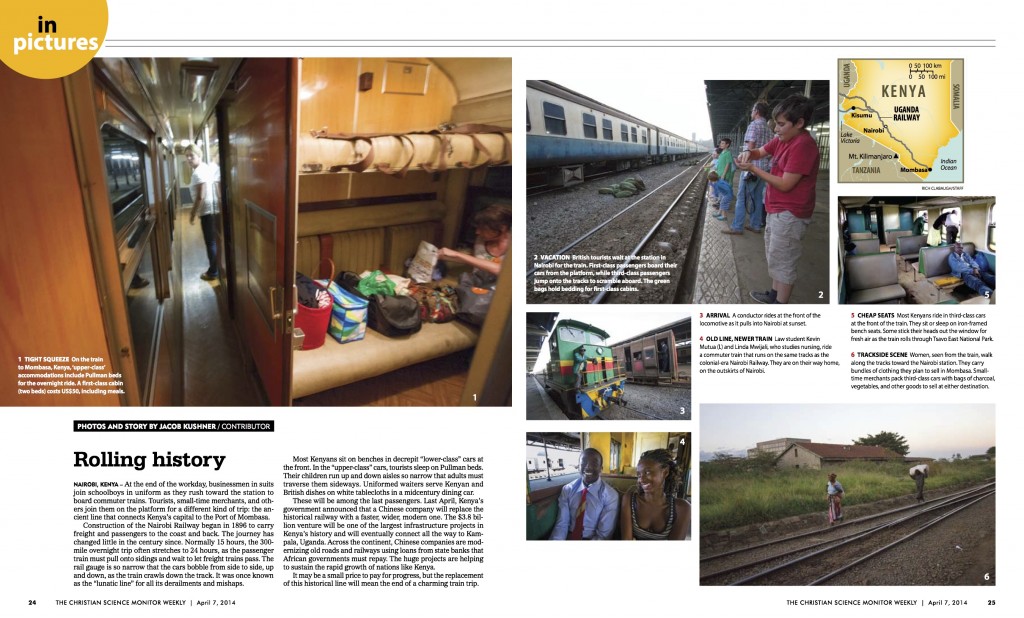
A slow life aboard Kenya’s century-old train

GlobalPost/GroundTruth

The Nairobi Railway Station. /JACOB KUSHNER

For service workers at the Nairobi Railway, breakdowns and delays limit time-off, and there’s no overtime pay 

MOMBASA, Kenya – In its heyday, the Nairobi railway employed some 24,000 people. Day and night, they worked to keep freight and passenger trains running between what is now Kenya’s capital city, Nairobi, and the Indian Ocean at the port of Mombasa.
coach handbag factory outlet
Today, the Rift Valley Railways Consortium employs only 3,000 people. The railway itself has changed little in more than a century since it was built by the British imperial power. Trains still bobble up and down, side to side as they roll along outdated, narrow tracks. Train traffic, derailment and other delays strand cars for hours in the middle of a national park.

In April, the China Road and Bridge Corporation announced plans to replace the historic railway with a new, modern line. Workers will lay a set of standard-width tracks that will allow freight trains to traverse them at much higher speeds. Most workers seem hopeful the new line will attract more tourists and other passengers, and that the influx of customers will translate into higher wages and benefits for the workers, too.

Read the full story and watch the video at GlobalPost

The Economics of Kenyan Cupcakes

OZY.com

Nairobi’s first cupcake shop demonstrates the power of a rising consumer class — and teaches a lesson about labor in emerging economies, too.

If anyone needed more evidence that Kenya’s economy is on the rise, a sort of confirmation arrived recently — in buttercream and a half dozen flavors that change daily.

Sugarpie Cupcakes in Nairobi has won plenty of fans and local press, attesting to this city’s changing tastes. The expats tend to favor Belgian chocolate, while the Kenyans prefer chai or red velvet, but overall sales have grown fast since the business launched late last year.
nike free running shoe
Running the business is no cakewalk — but its vagaries and workarounds reveal a lot about Nairobi’s consumerist aspirations, and the economics that underlie them. A rising number of middle-upper-income Kenyans sees cupcakes as one of many small luxuries they can afford. And some among Kenya’s large, (non)working class see that as something to aspire to.

Read the full story at OZY.com

Knowledge is Power: World Bank to Chart Africa’s Minerals in ‘Billion Dollar Map’

Think Africa Press

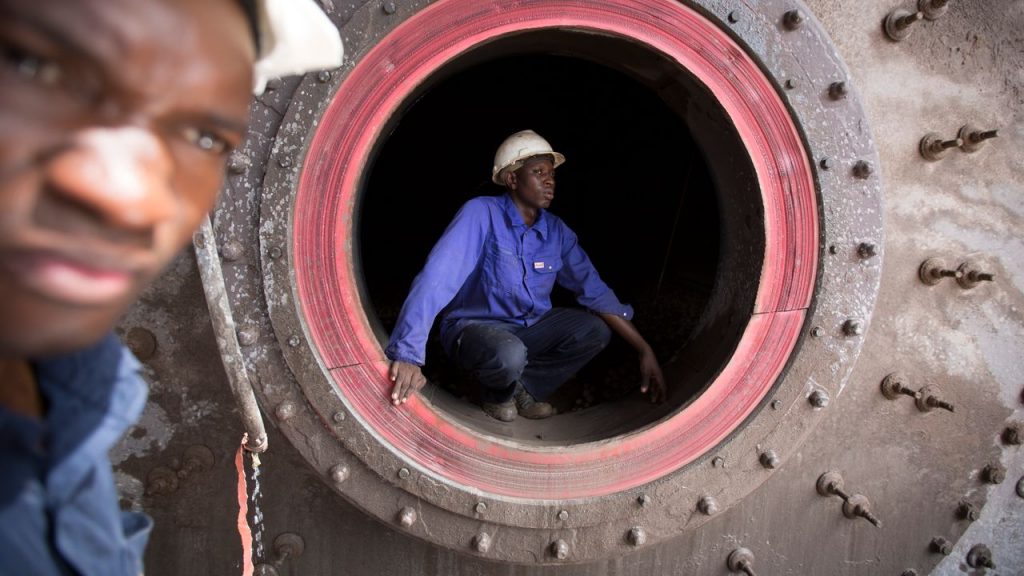
Nairobi, Kenya– Last  month, the World Bank announced an ambitious new project aimed at helping African governments earn a better price for their natural resources and accelerate the pace of mining across the continent.

Dubbed the ‘Billion Dollar Map’ for its meteoric price tag, the decade-long initiative will scour a century of historical research into the continent’s mineral makeup and collate it in a public database. The project will then finance governments to conduct exploration to fill in the gaps.
is louis vuitton outlet authentic
The need for better research into the continent’s minerals is clear and urgent. When it comes to negotiating contracts, knowledge is power, and African government’s uncertainty over the levels of the resources they possess has contributed to them signing some hugely unfavourable deals.

According to a 2013 report by the think tank Global Financial Integrity, African countries have lost between $600 billion and $1.4 trillion in net resource transfers over the past 30 years.

Read the full story at Think Africa Press.

The Map That Could Save Africa a Trillion Dollars

OZY.com

SIMON DAWSON/BLOOMBERG/GETT

In the 19th century, foreign explorers came to Africa in search of ivory, rubber and slaves. Today, they come for Africa’s minerals — its copper, zinc and tungsten. The developed world needs them for its skyscrapers, cell phones and much in between.

The exchange is sometimes unfair. Often, African governments don’t know the value of the natural resources underground, but mining companies from the West — and, increasingly, China — do. That knowledge asymmetry has cost African countries and their citizens as much as $1.4 trillion over the past 30 years.
coach patchwork purse
But a more level playing field may be in sight, thanks to a World Bank initiative that aims to compile Africa’s mineral maps into a single, public database: the so-called Billion Dollar Map. The goal is to give African nations as much information as possible about their natural resources so that they can earn a fair price for the minerals they sell, World Bank officials say.

While mineral maps of the African continent exist, most are private or piecemeal. The Billion Dollar Map is crucially different: Its contents will be available to the public. And that, experts hope, will minimize underpricing and corruption, and help governments get a fairer price for their countries’ resources.

Read the full story at OZY.com

In Kenya, major debate over government wages ‘spiraling out of control’

GlobalPost/GroundTruth

In the nation’s public sector, there are huge disparities between the highest earners and the low. Now, Kenyans are fighting over who should take a cut.

Anthony Langat and Jacob Kushner

NAIROBI, Kenya—Kenya’s President Uhuru Kenyatta ignited a nationwide debate over government employee wages this month when he surprised the country by announcing he would reduce his own salary by 20 percent.

The move signaled the beginning of a fierce debate over government wages, which are rising out of control: This year, public sector salaries are expected to eat up 54 percent of all tax revenue and equal 13 percent of the nation’s GDP, according to cabinet secretary in charge of the Treasury, Henry Rotich.
louis vuitton totally mm
“The recent growth in public sector wage bill is unsustainable and unacceptable,” Kenyatta said in a March 10 speech that sparked the wage debate. “If we maintain this trend we would be dedicating an ever larger share of the wealth we produce as a country to the remuneration of public servants.”

Read the full story at GlobalPost.

Six months later: Kenya’s Westgate Mall workers reflect on a delicate recovery

GlobalPost/GroundTruth

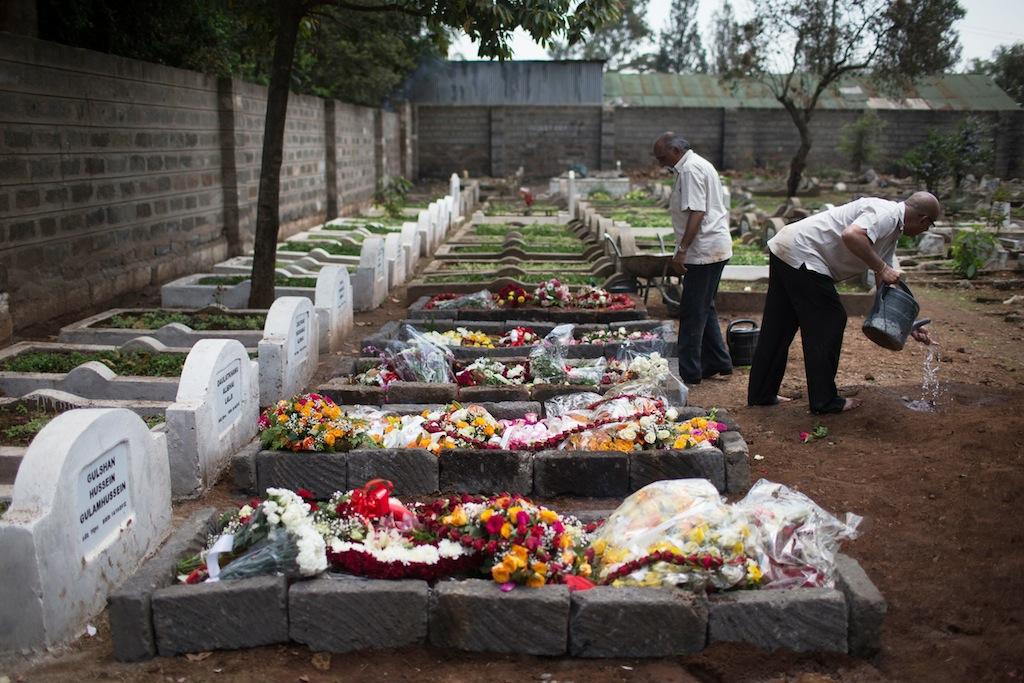
NAIROBI, Kenya —Today marks six months since gunmen trained by the Somali-based terrorist group al-Shabaab stormed a popular shopping mall here, in a siege that left 62 civilians and five Kenyan soldiers dead, and at least 200 others injured.
louis vuitton handbags online
The victims consisted of both Kenyans and expatriates. Their families and friends remained traumatized by the attack and angered by the government’s response, during which Kenyan soldiers looted the mall, even while bodies remained strewn about.

The Israeli-owned Westgate Mall opened in 2007. It was a popular hangout for Kenyans and expatriates alike until it collapsed during the September 2013 siege. But one group of Kenyans in particular holds a uniquely intimate connection to the mall and the event that destroyed it: These hundreds of Kenyans were employed in the mall’s 80 shops and restaurants, and depended on the mall for their livelihoods.
nike outlet stores
Their wages, small by western standards, supported their families or paid for their continuing education.

When the gunshots erupted, workers fled side-by-side with patrons. Some hid from the gunmen for upwards of 11 hours before being rescued. In small acts of heroism, some workers led others up or down staircases to safety, or out back doors.

In the aftermath of the attack, some were transferred to other franchise locations owned by their employers. But many lost their jobs entirely.

Six months later, GlobalPost asked mall employees to reflect on how the attack changed their lives and how they are coping with its long-lasting effects.

Read the full story and watch the video at PRI’s The World.

VIDEO: Kenya’s Westgate Mall workers reflect

GlobalPost/GroundTruth

Vincent Gallo Kebogo used to work at an ice cream shop called “Mama Mia,” located in the Westgate mall in Nairobi, Kenya. Six months after the mall was stormed by the Somali-based terrorist group al-Shabaab, Kebogo reflects on the devastating attack and how it has affected his life.
coach outlet sunglasses online
Six Months Later: Kenya’s Westgate Mall workers reflect on a delicate recovery from Ground Truth on Vimeo.