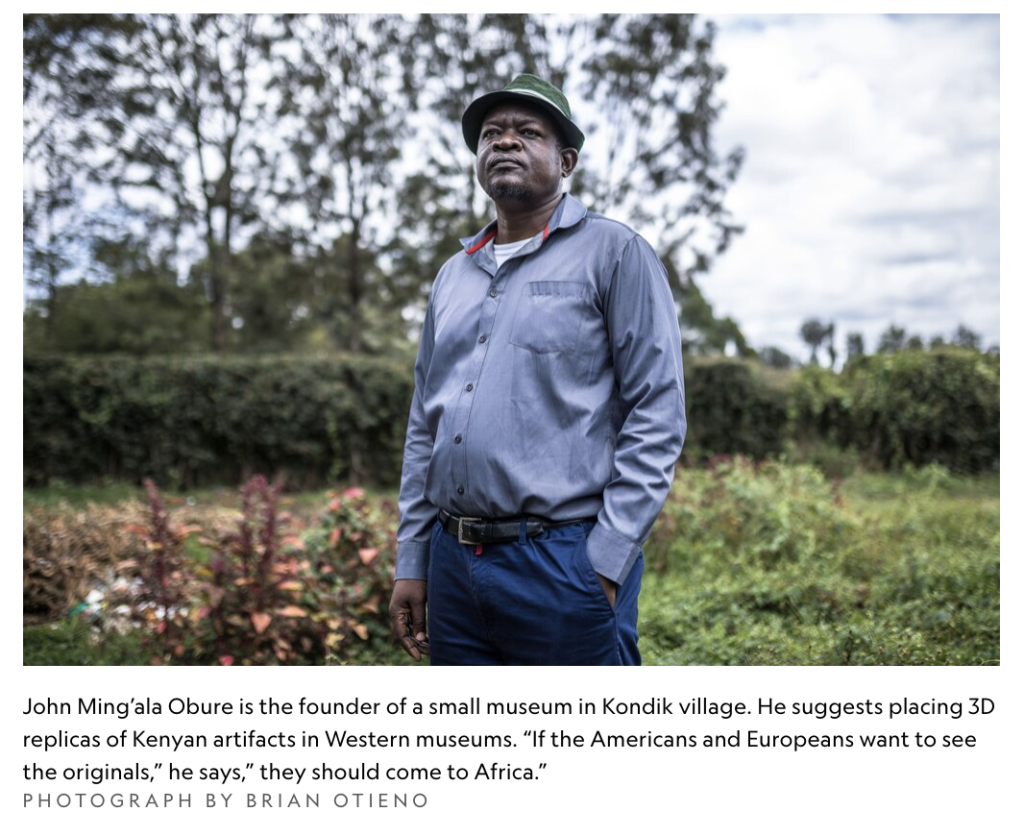
Kenya wants its treasures back.
Read: English | Spanish | Dutch

This story inspired a podcast by Neha Wadekar. Listen: Apple | Spotify
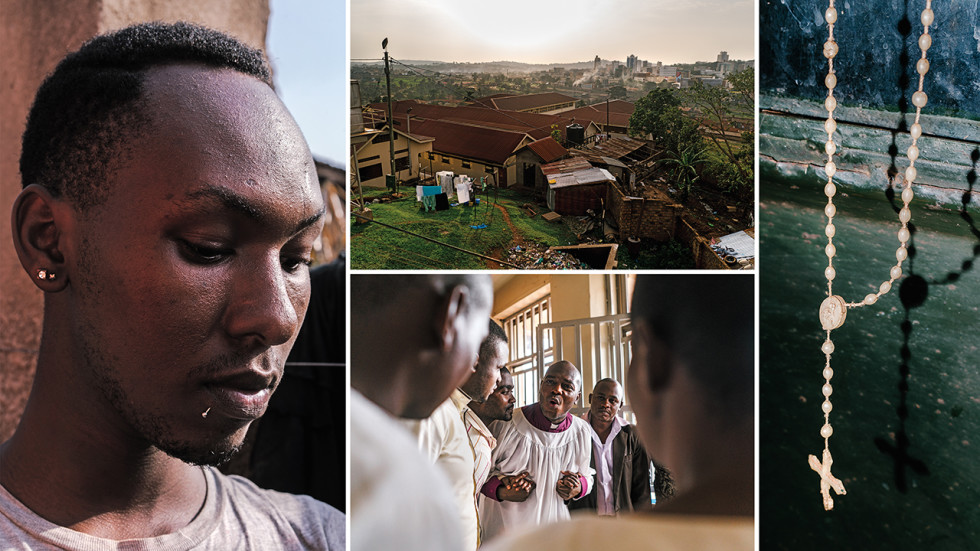
Photos by Jake Naughton

Inside the Fight for a Queer Country
Just a few years ago, Kampala was a nightmare for LGBTQ Ugandans, some of whom were beaten and stripped in the streets, chased by angry mobs or jailed.
But you wouldn’t guess that from the relaxed atmosphere at Cayenne on Kampala’s north side. Few people seem to notice the transgender woman dancing by the pool, and if they do, they don’t seem to care. Javan belongs to a generation of queer Ugandans barely old enough to remember when the antigay fervor first erupted here, in 2009.
Jake Naughton
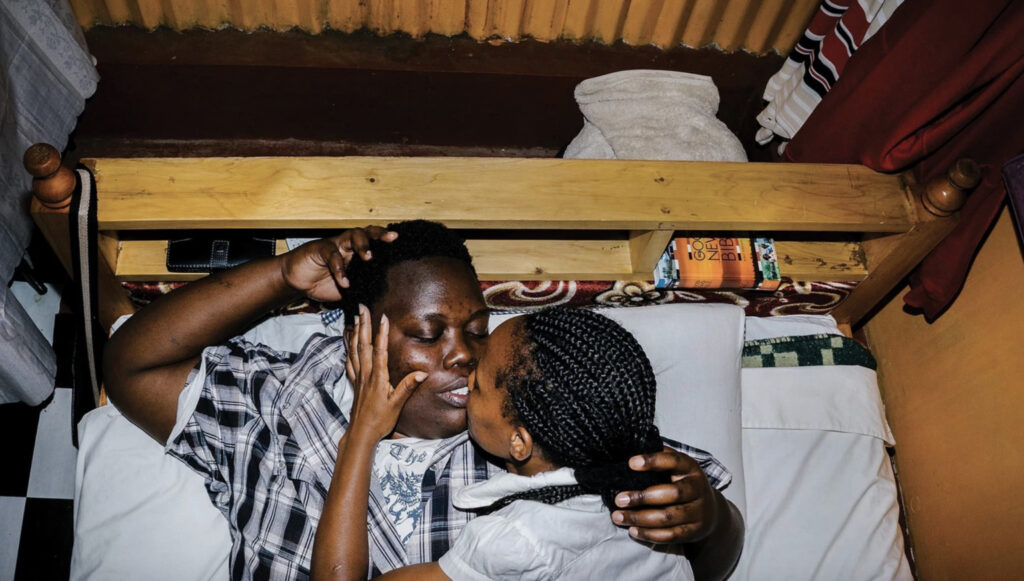
The plight of Kenya’s LGBT Refugees
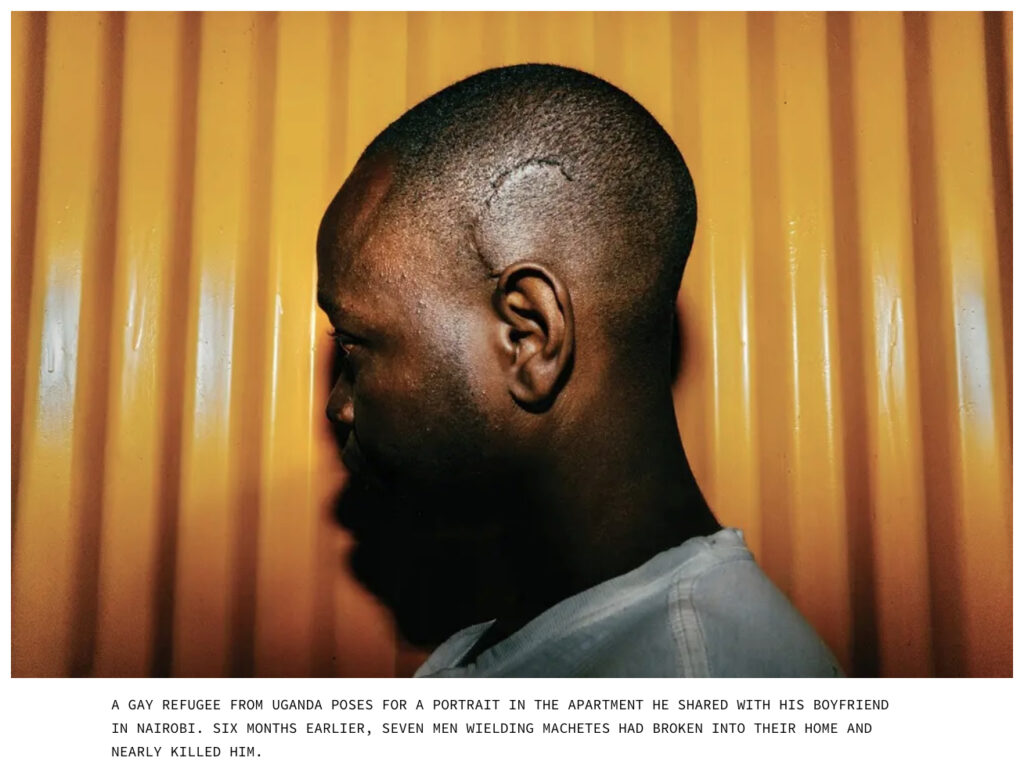
“God has a book of life,” Mugisa told his worshipers. “He remembers your name. But to be written in this book you need to do good.” Mugisa turned to his congregants. “Mulondo, Lujja, Kasule, Nansamba: You want to be able to say, ‘God, I served you when I was in Kakuma camp.’ You want to be able to say, ‘I served you in Uganda. Remember me. This is what I have done, remember me.'”
Jake Naughton
Mugisa glanced around his congregation of LGBT worshipers, catching the eyes of a few of them. Unable to ignore the trepidation on their faces, he comforted them. “Trust me—one day we will be out of this place.”
Honorable Mention (runner-up), 2016 Immigration Journalism Award, The French-American Foundation; Official Nomination, “Outstanding Magazine Article,” 2017 GLAAD Media Awards; Shortlist, 2017 One World Media Print Award.
Read: VICE online or in the Magazine

Andrew Renneisen
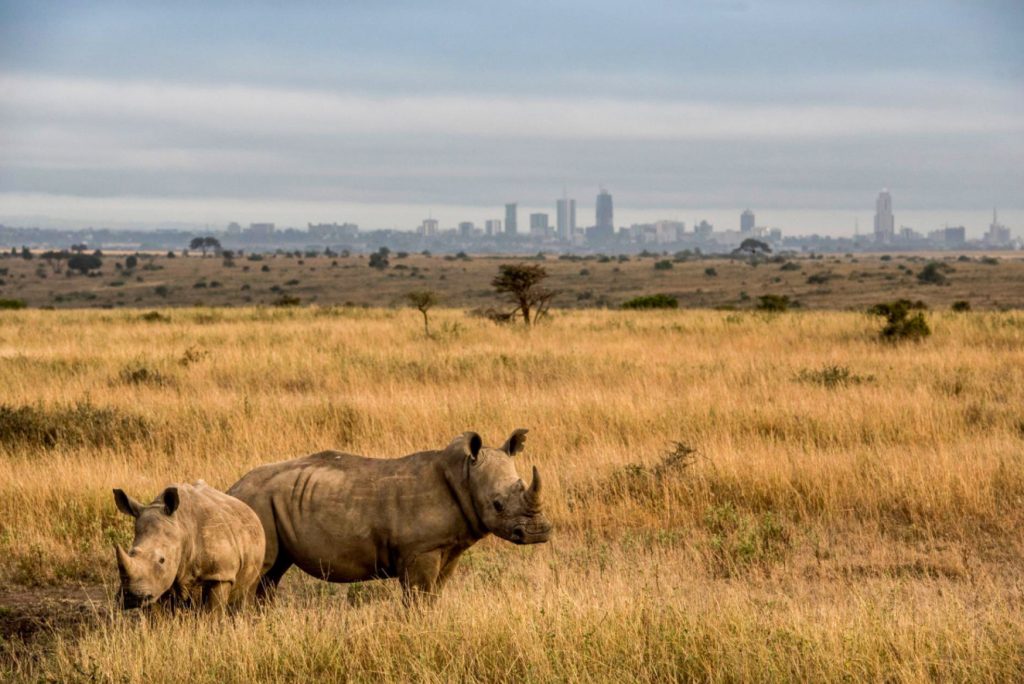
As dawn breaks, nine Kenya Wildlife Service rangers dressed in camouflage and brandishing rifles assemble at an airstrip. They are equipped with a Cessna, a helicopter, and a caravan of Toyota Land Cruisers. Their mission: find, tranquilize, and collar Tsavo’s savanna elephants to see how well they traverse a new rail line that has recently split their habitat in two. It is the first time in history that elephants are being collared specifically to study how they interact with human infrastructure.

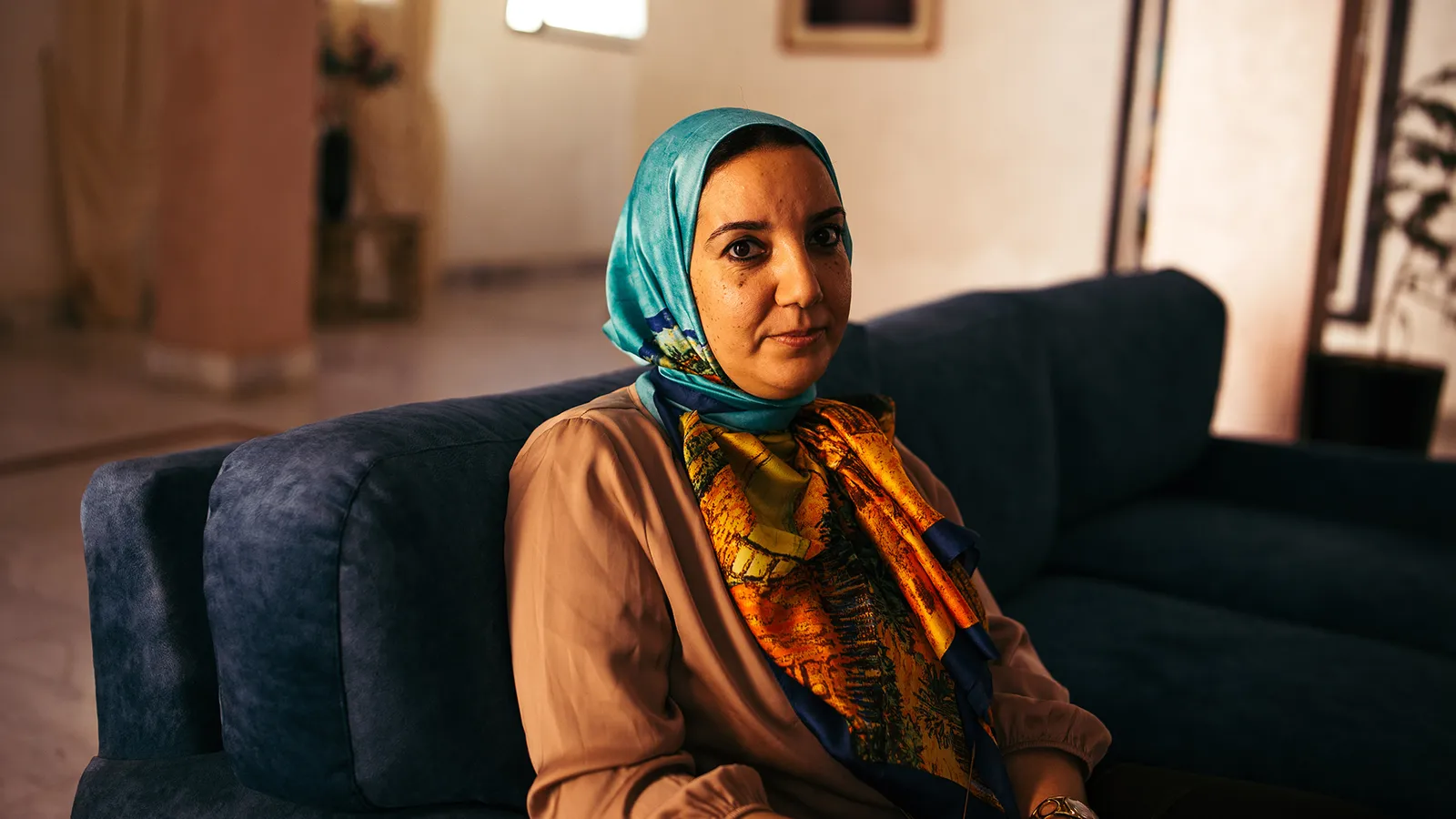
Immunologist Fatiha El Hilali started trying to counter fake news about vaccines after seeing a close friend die from Covid-19 (Credit: Kang-Chun Cheng)
“If I can be provocative, shouldn’t we be doing this study in Africa, where there are no masks, no treatments, no resuscitation?” said Jean-Paul Mira, head of intensive care at Cochin hospital in Paris. “A bit like as it is done elsewhere for some studies on Aids. In prostitutes, we try things because we know that they are highly exposed and that they do not protect themselves.”
Read: BBC Future

With support from the Pulitzer Center
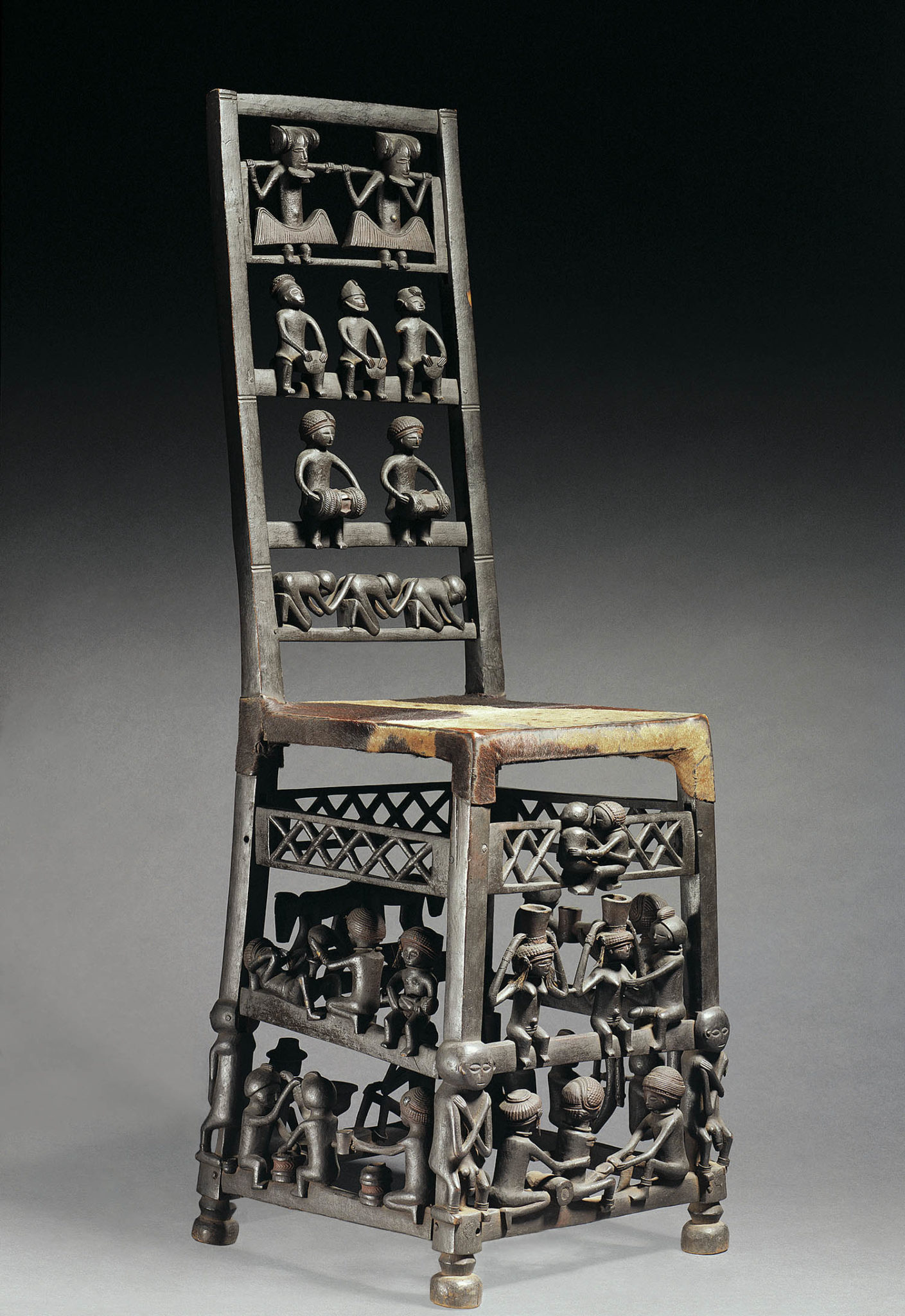
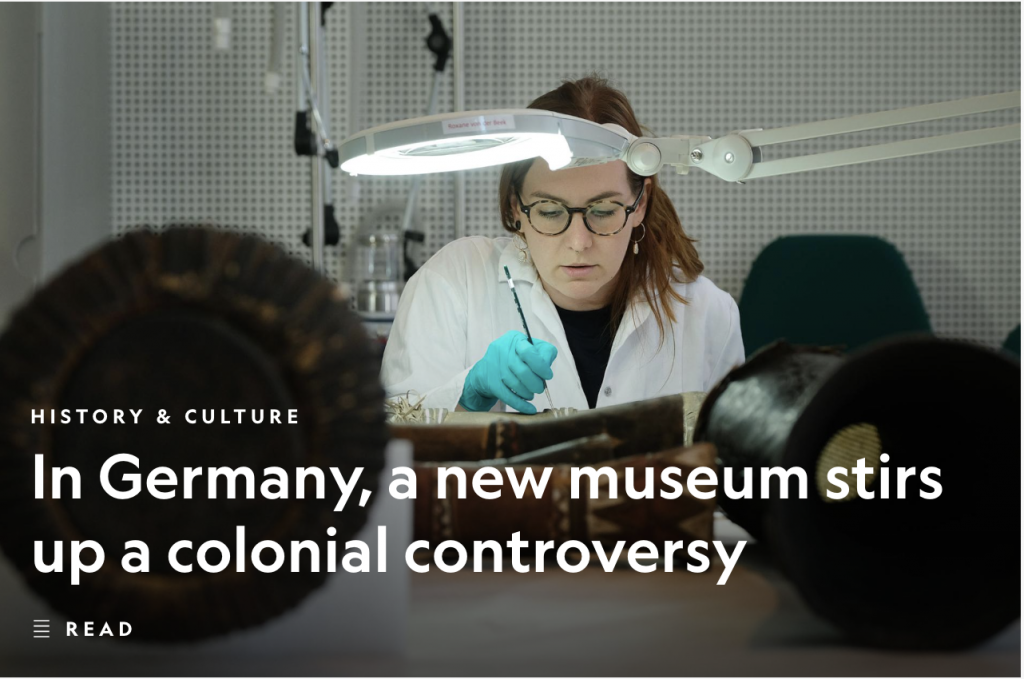
If restitution advocates have their way, Berlin’s new Humboldt Forum may mark the beginning of the end of an era in which western museums served as humble custodians of other peoples’ things.
“Hermann Baumann wasn’t yet a Nazi when he set sail to Angola in search of Chokwe treasure.”
Read the full feature story: Tortoise

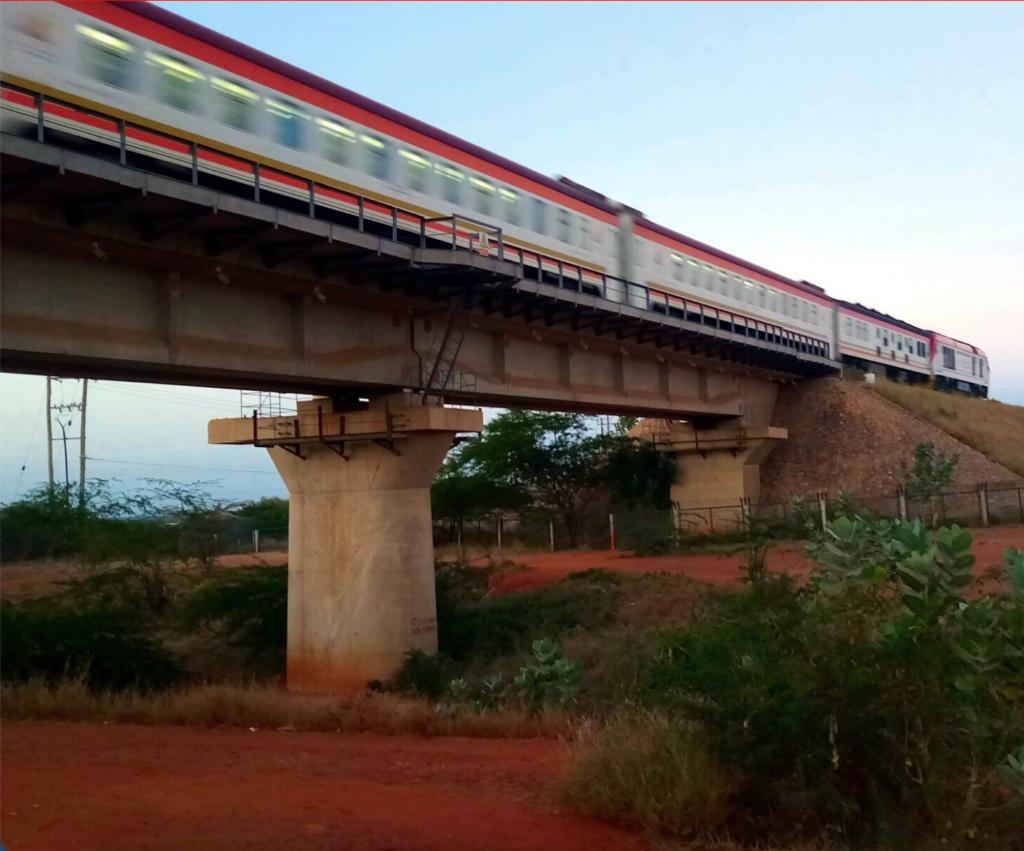
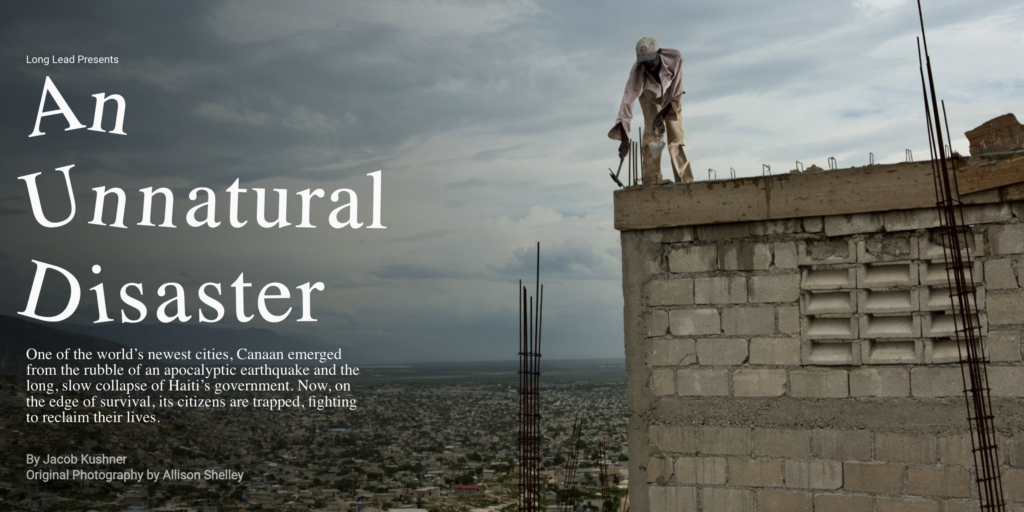
One morning in March, a Chinese-built train departed the Kenyan capital of Nairobi and headed to the middle of nowhere.
The World Bank warned that building the new SGR would cost 18 times as much as simply rehabilitating damaged or neglected sections of the old one. But Kenya’s leaders cared more about grandiosity than fiscal responsibility. Generations of Kenyans will be paying the price.
Read: The Dial Mag


MAXLab Freiburg—the virtual reality (VR) arm of the criminology department at the Max Planck Institute for the Study of Crime, Security, and Law in Freiburg, Germany—is at the forefront of a movement to use VR technology to understand, deter, and prevent crime.
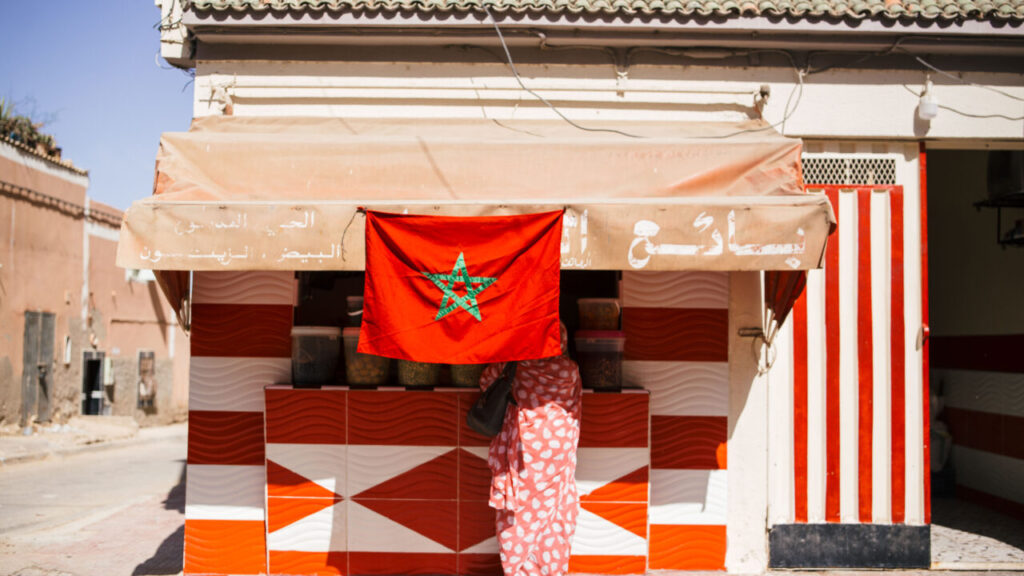
Photo | Kang-Chun Cheng
In the Phosphorus-rich Western Sahara, the government in Rabat used the pandemic as cover for a political crackdown.
Read: TruthDig

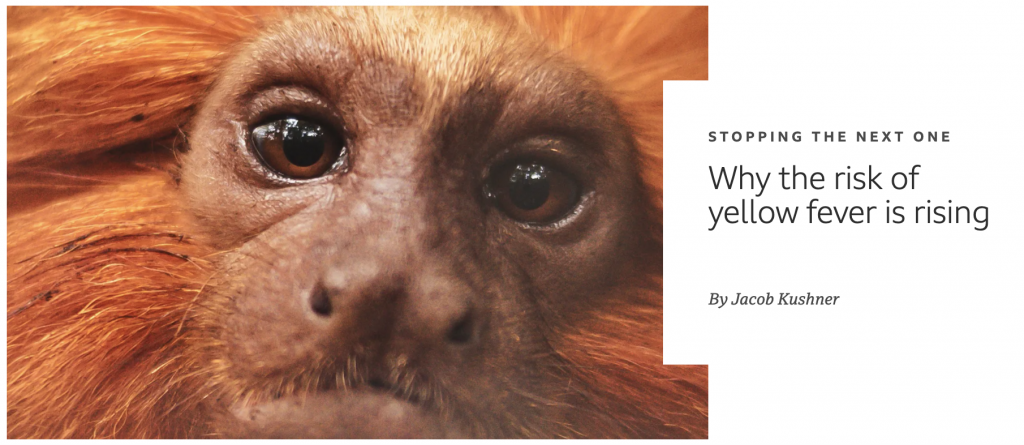
Move over, Covid-19. Another, far more lethal disease is in danger of erupting once again. Yellow fever infects some 200,000 people and kills 30,000 of them each year–more than terrorist attacks and plane crashes combined. Stopping the next outbreak from jumping from monkeys to humans may require a novel approach: vaccinating our hairy, banana-loving brethren.
Part of our BBC Future series, Stopping The Next One, with Harriet Constable and The Pulitzer Center.
Read: BBC

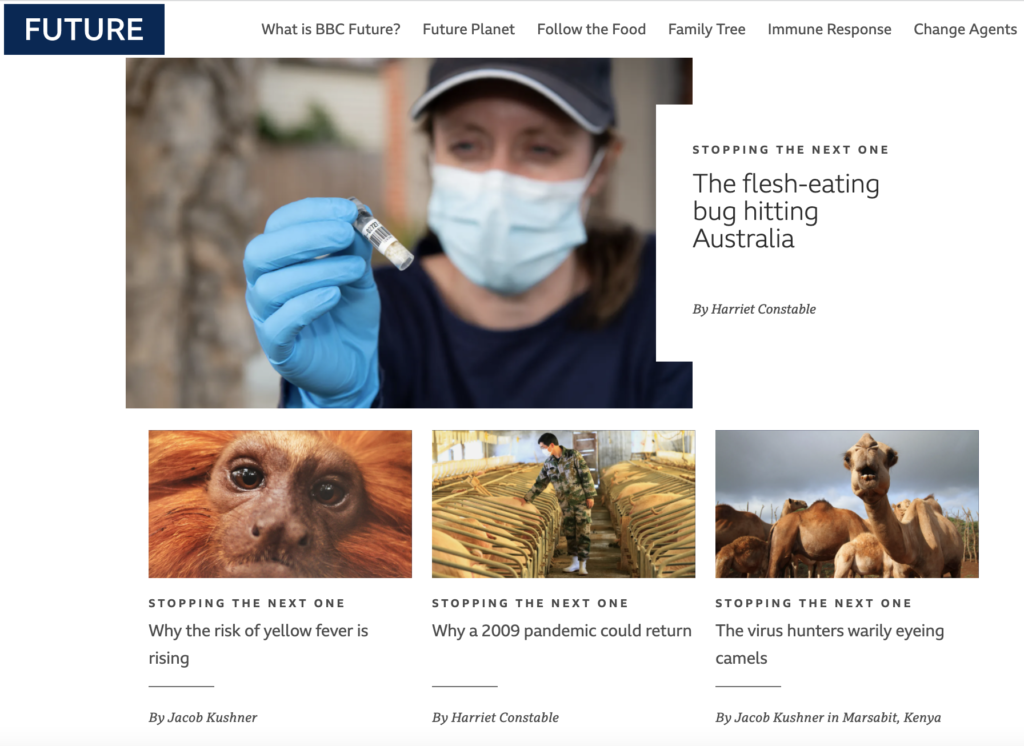
Read and watch our BBC Future series Stopping The Next One, with Harriet Constable and The Pulitzer Center.
Read: BBC
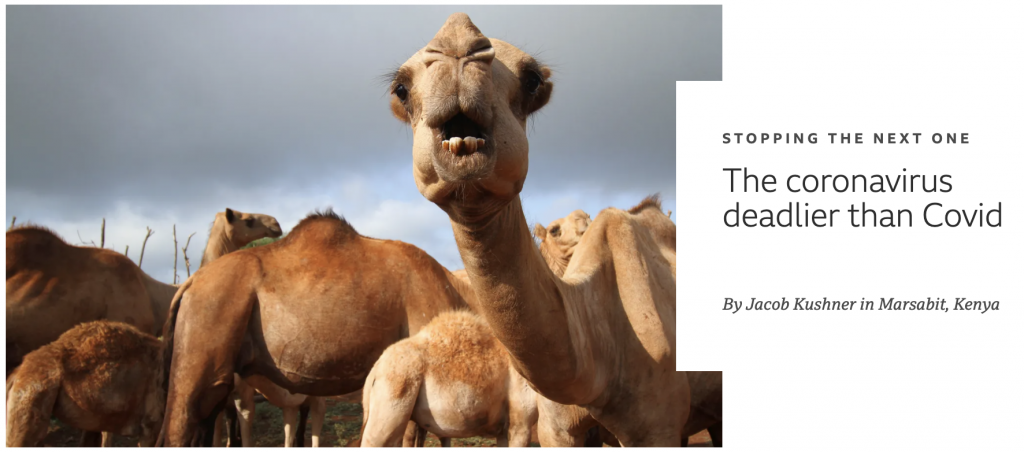
In northern Kenya, researchers are working to prevent a dangerous coronavirus – MERS – from jumping from camels to humans. But climate change is complicating their task.
Part of our BBC Future series, Stopping The Next One, with Harriet Constable and The Pulitzer Center.
READ: BBC